
Teach weather and climate with the same data meteorologists use.

Professional development for upper elementary and middle school teachers, coupled with high quality curricular materials in atmospheric and environmental science. Every workshop is built around real-time data from NOAA and the National Weather Service, and every teacher leaves with classroom-ready activities.

Two- to three-hour sessions held in your district anywhere in Minnesota or Michigan. . CEUs and SCECHs awarded. Browse by NGSS standard.

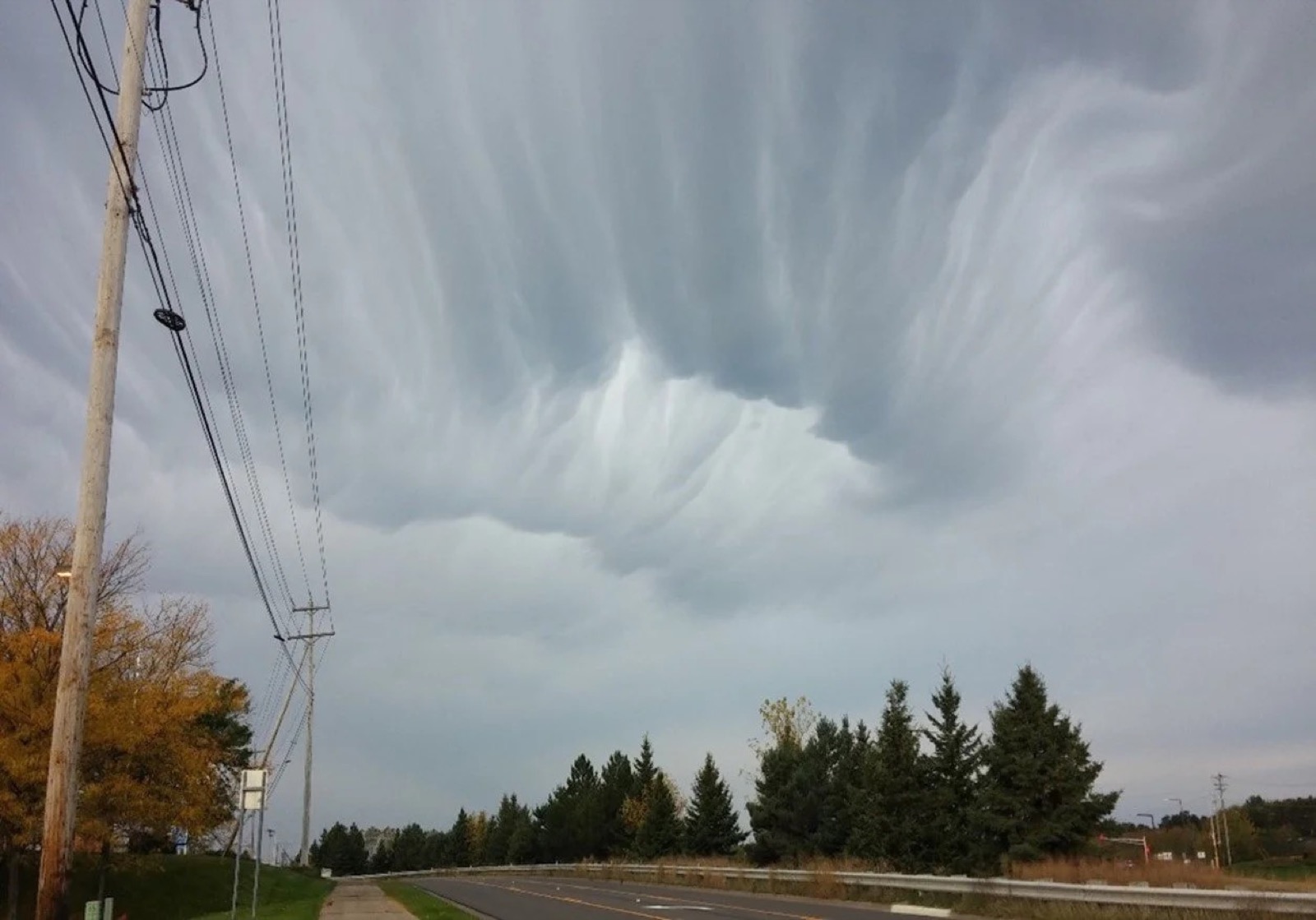
A sheared mammatus cloud, its pouch-like undersides lit by low sun, over Stillwater, Minnesota
Sheared mammatus cloud. Stillwater, Minnesota, October 2019. Copyright Amy Lilienfeld / Circle of Illumination Science Education.

Notice and wonder

One cannot help but notice and wonder about something like this unusual sheared mammatus cloud. But like all clouds it is a phenomenon indicating the incredible things going on in our atmosphere.

What secrets do you think this cloud is trying to tell us?

Weather and climate operate at vastly different scales, but they are built from the same elements: air temperature, precipitation, humidity, wind direction and speed, and atmospheric pressure. Each is constantly changing and interacting with the others.

One of the major goals of Circle of Illumination Science Education is to help unpack some of this complexity while emphasizing the big ideas in a way that all teachers, regardless of prior knowledge, will be able to comprehend.

Professional development workshops

Five in-person workshops for K-8 teachers, each aligned to specific NGSS weather and climate standards, including 3-ESS2-1, MS-ESS2-5 and MS-ESS2-6. Choose one or build a series.

All workshop details and pricing

Kindergarten, 3rd grade and middle school

Will it get too warm in the car for Lucky?

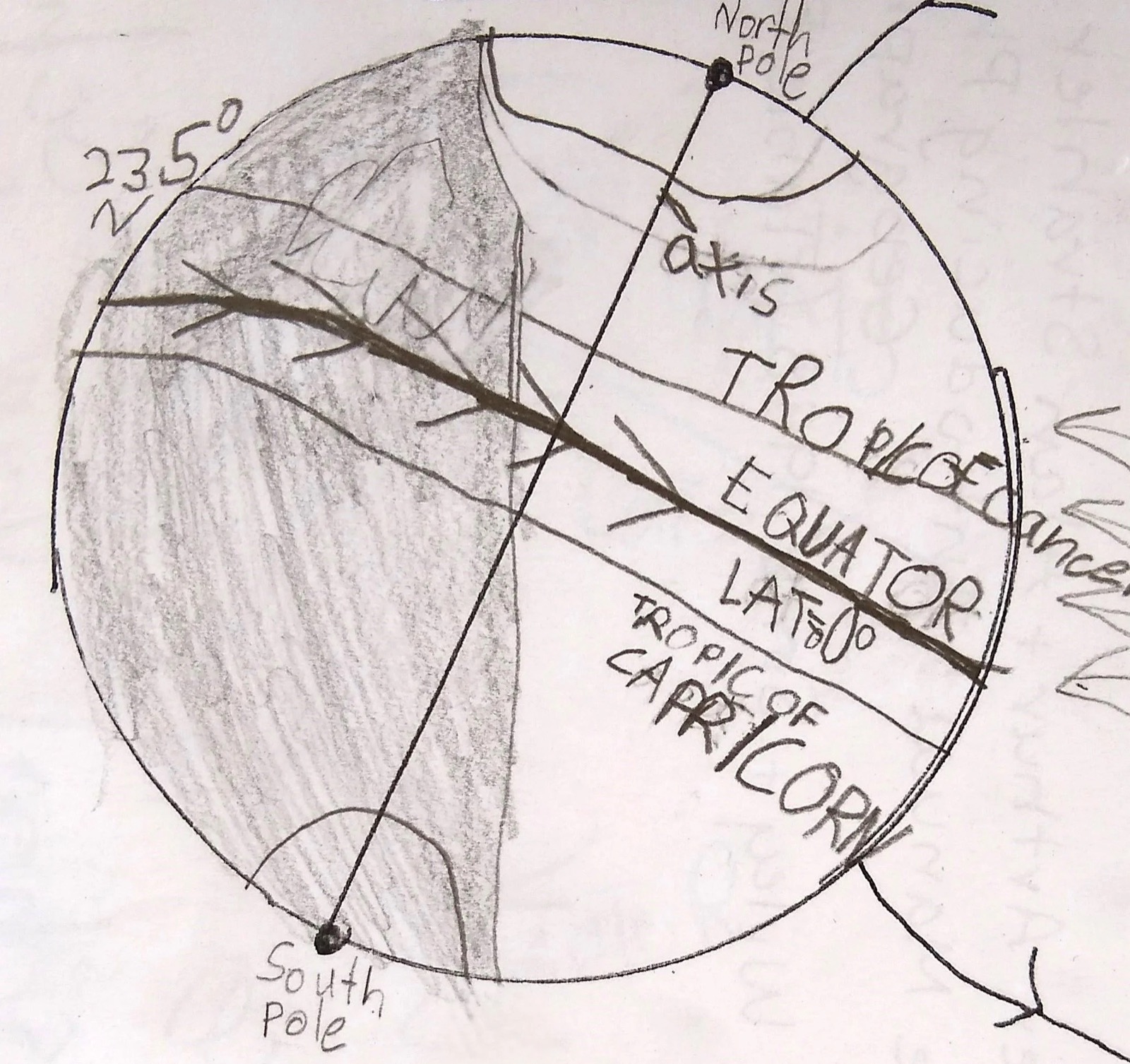
Why does a parked car get so hot? Teachers learn the greenhouse effect through an everyday example, then learn to calculate sun angle for any day of the year, anywhere on Earth.

Length
2 hours
Credit
2 CEUs / SCECHs
Standards
Weather and climate standards, K through middle school
Middle school

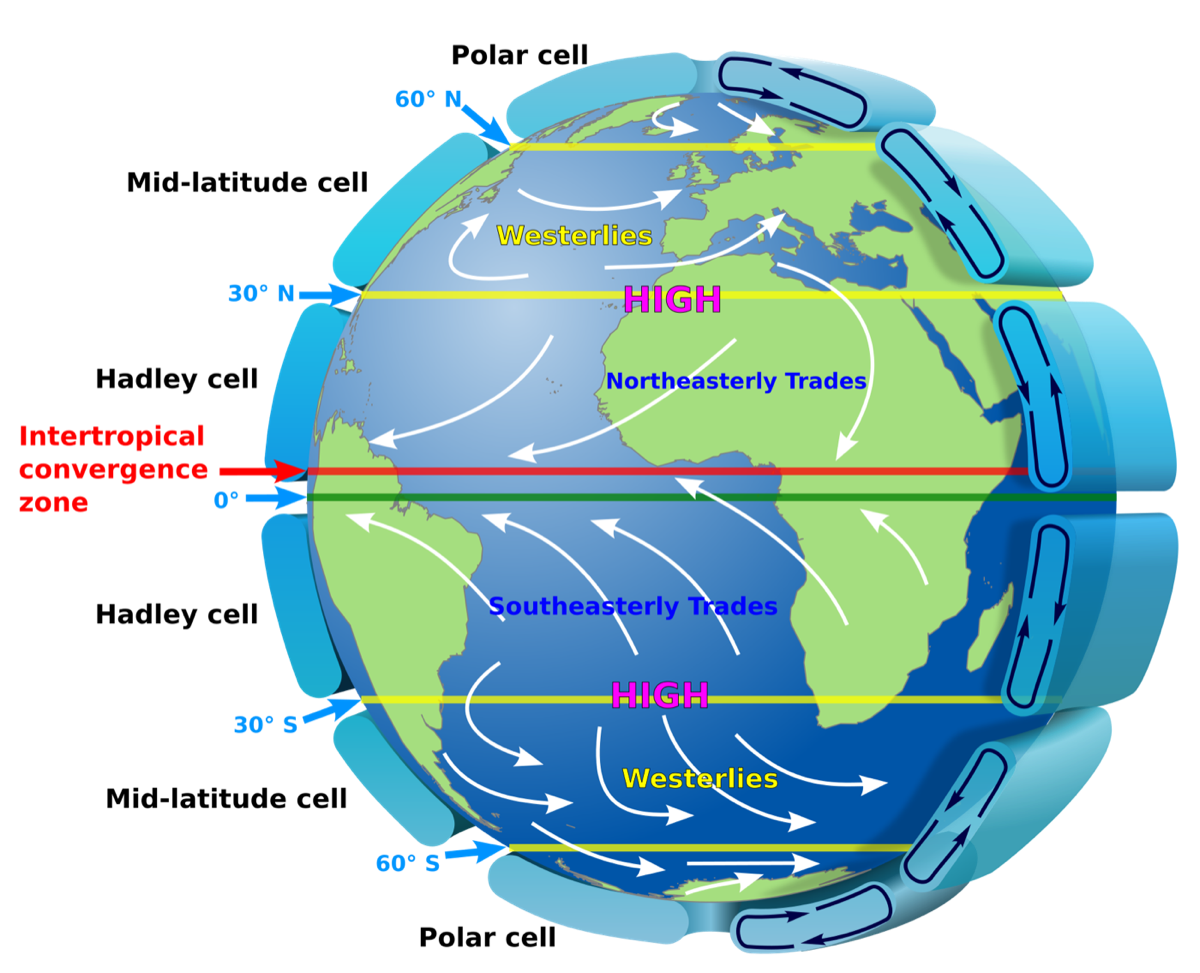
Why isn't the Equator the hottest place on Earth?

Probably the most important diagram in Earth science, explained so you can teach it. Uneven heating, Earth's rotation, and the global pattern of winds and pressure that shape regional climates.

Length
2 hours
Credit
2 CEUs / SCECHs
Standards
NGSS MS-ESS2-6

Middle school

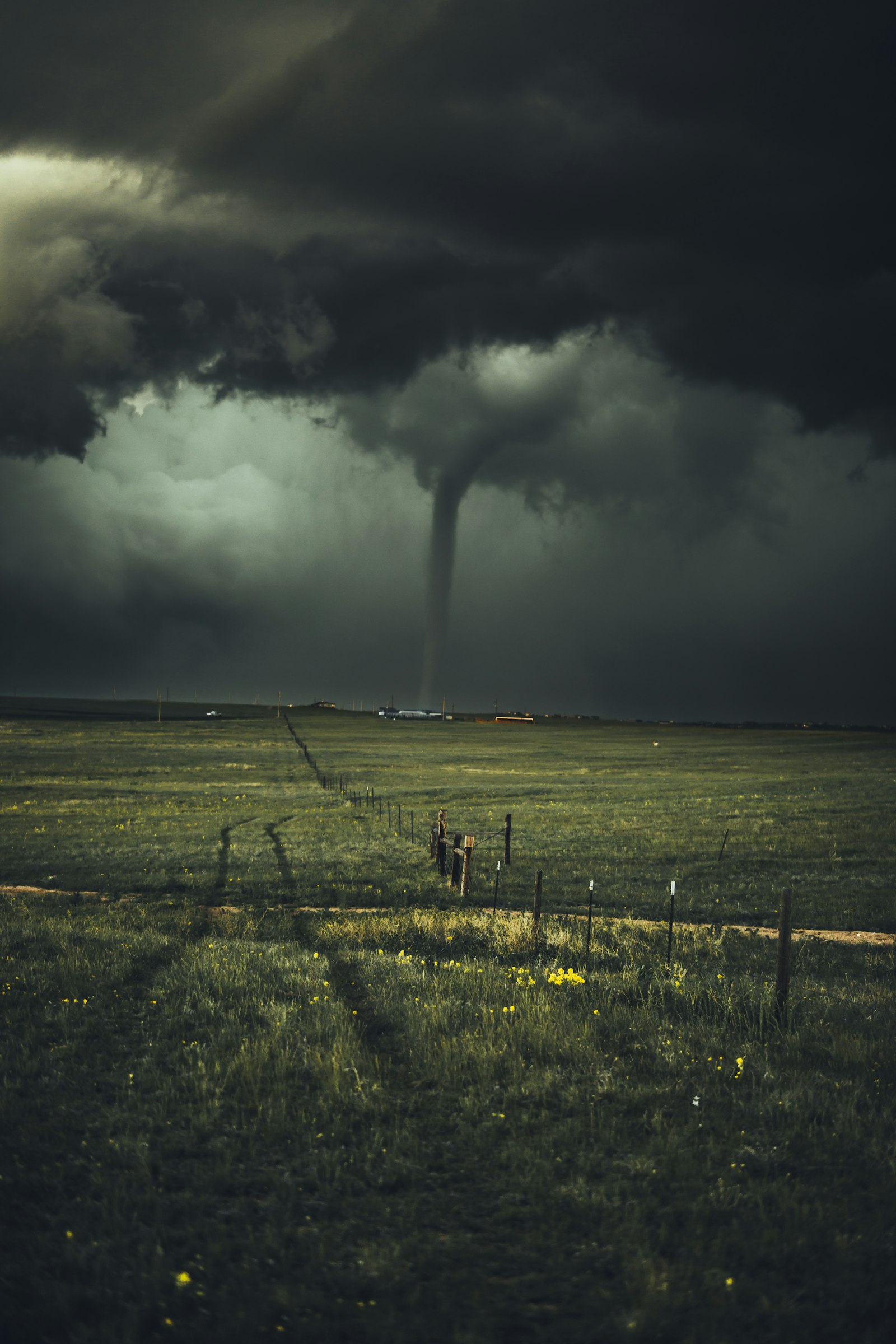
Tornadoes in February? It's Michigan!

Much of the unpredictability of Michigan's weather is attributable to air masses. Teachers gain the content mastery to teach MS-ESS2-5, and get introduced to the real-time weather data sources that make it concrete.

Length
3 hours, with a 15-minute break
Credit
3 SCECHs
Standards
NGSS MS-ESS2-5 (Michigan)

Elementary grades

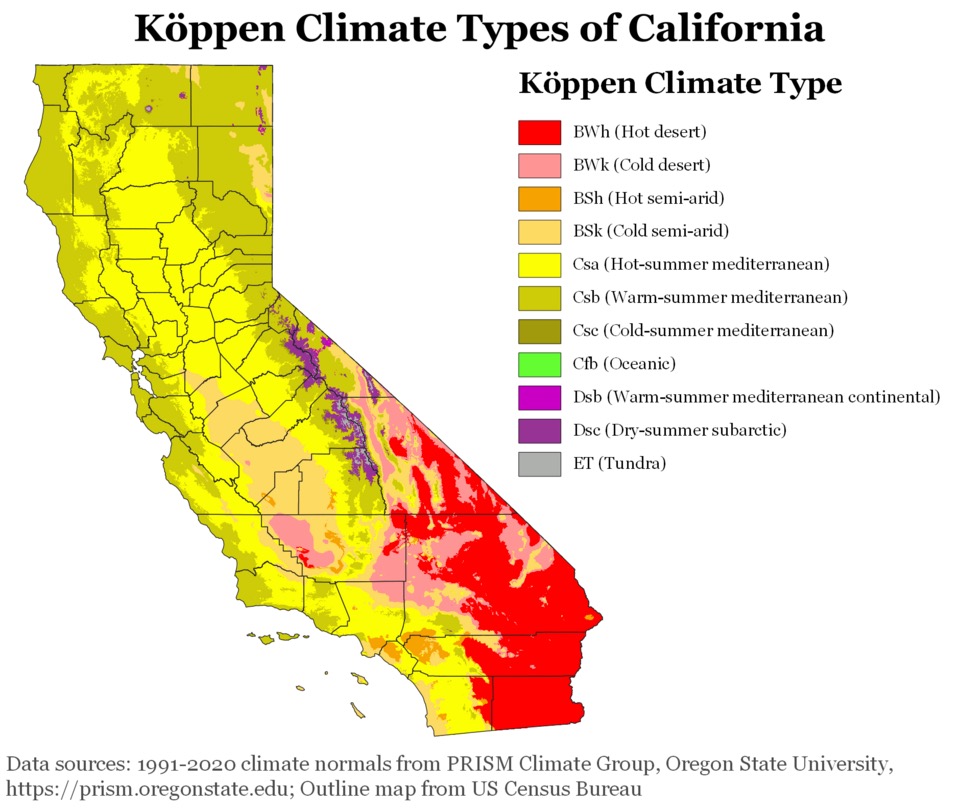
Introducing elementary students to world climates through math

Students classify the world's climates using annual temperature and precipitation data and nothing more than addition, averages, ranges and decimals. Teachers learn the method behind Köppen's system and how to run it in class.

Length
2 hours
Credit
2 CEUs
Standards
Elementary weather and climate standards, with math integration

Upper elementary and middle school

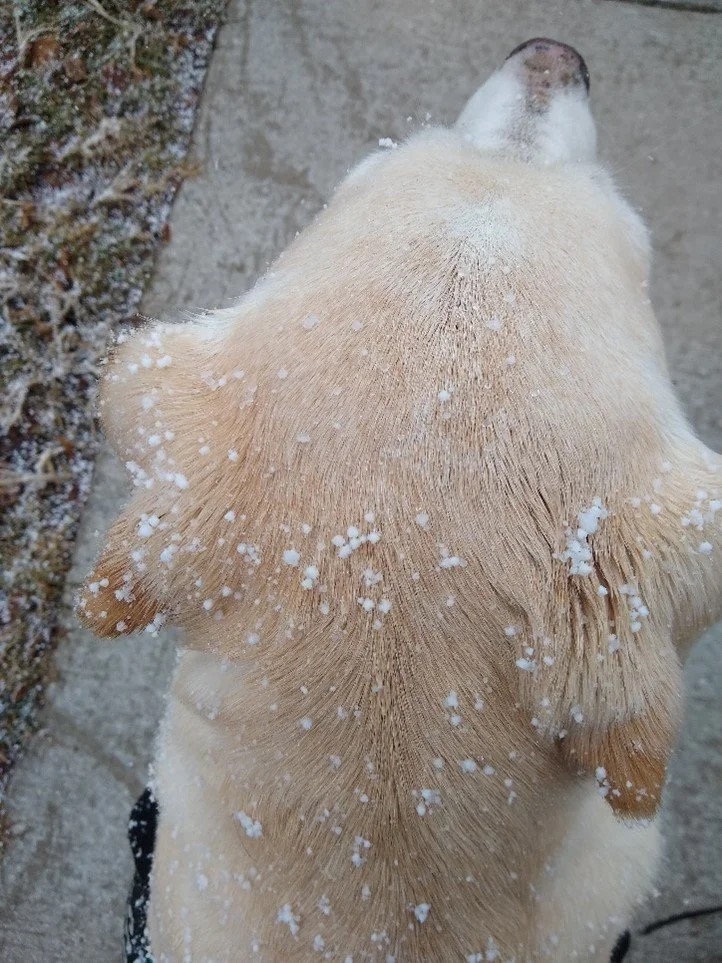
Is it sleet or is it snow?

Winter precipitation comes in a surprising number of forms, and each one tells us about the state of the atmosphere. Teachers learn to read a Stüve diagram and connect temperature profiles to what lands on the ground.

Length
Approximately 2 hours
Credit
2 CEUs
Standards
Weather standards, upper elementary through middle school
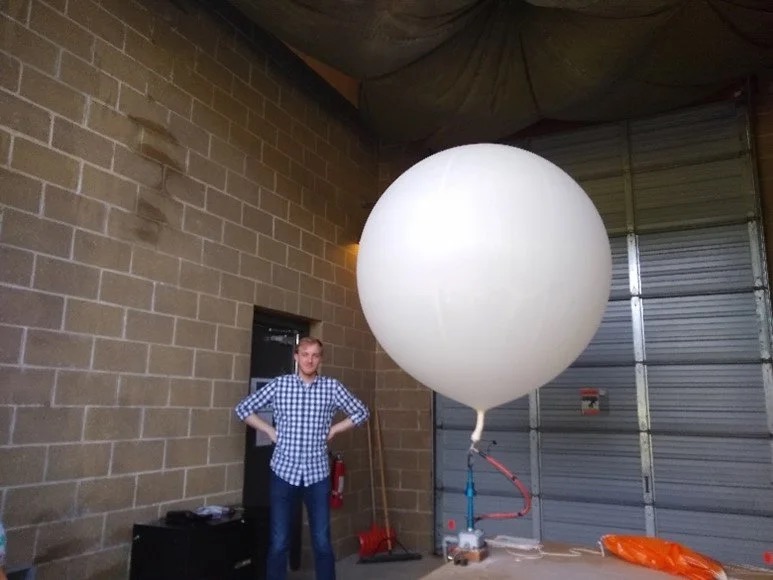
A National Weather Service staff member preparing a weather balloon and radiosonde for launch
Preparation of a weather balloon, or radiosonde, for launch by a staff member at the NWS weather station, Chanhassen, Minnesota. Used with permission.

Fall 2026 webinars for third grade teachers

Two live webinars introduce third graders to real-time weather data and data visualization, both meeting NGSS 3-ESS2-1. Teachers learn where to find meteorological data, how to interpret the key variables, and how to prepare simpler, smaller datasets their students can graph.

Dates and registration details will be announced by early September. Join the interest list and you'll hear first.

Join the webinar interest list

What teachers say

Based on many things I learned through a number of mentoring sessions with Amy I was able to make some major revisions to my weather unit for 8th grade Earth Science. After she introduced me to several real-time weather web sites I also had a weather station installed on the roof of my school building. My new weather unit was a success as students were able to correlate what they were experiencing in their daily lives with data. Amy has been such a great help in pushing my understanding of atmospheric phenomena which definitely helped my students understand the concepts better than they had in previous years. With the new knowledge gained I feel much more prepared to teach the revised academic science standards here in Minnesota.

Emily H.
6th and former 8th grade teacher, St. Paul Public Schools, Minnesota

WOW!! Attending the workshop Dr. Lilienfeld gave on the use of the U.S.D.A./N.R.C.S. web-based Geographic Information System, the Web Soil Survey, at the 2023 Annual Conference of the Michigan Science Teachers' Association was a great experience! I feel very confident now in using this program with my students! Amy is highly professional and has a wealth of knowledge. Using Web Soil Survey in the classroom will give students the opportunity to explore real life experiences for future productive and stable job opportunities. Thanks so much for all you are doing for teachers and students!

Patty McNinch
Education Technician, Tuscola County Conservation District, Caro, Michigan

Read more testimonials

Classroom materials

The hands-on activity packets used in every workshop, available for your classroom or your whole district.

About Dr. Amy Lilienfeld

A geographer with over 25 years of college teaching, presenting annually to science teachers in Minnesota and Michigan since 2019.

Ready to plan professional development for your teachers?

Workshops run two to three hours at a location you choose, and cost %!s(<nil>). Continuing education credits are awarded.